On Grid Solar
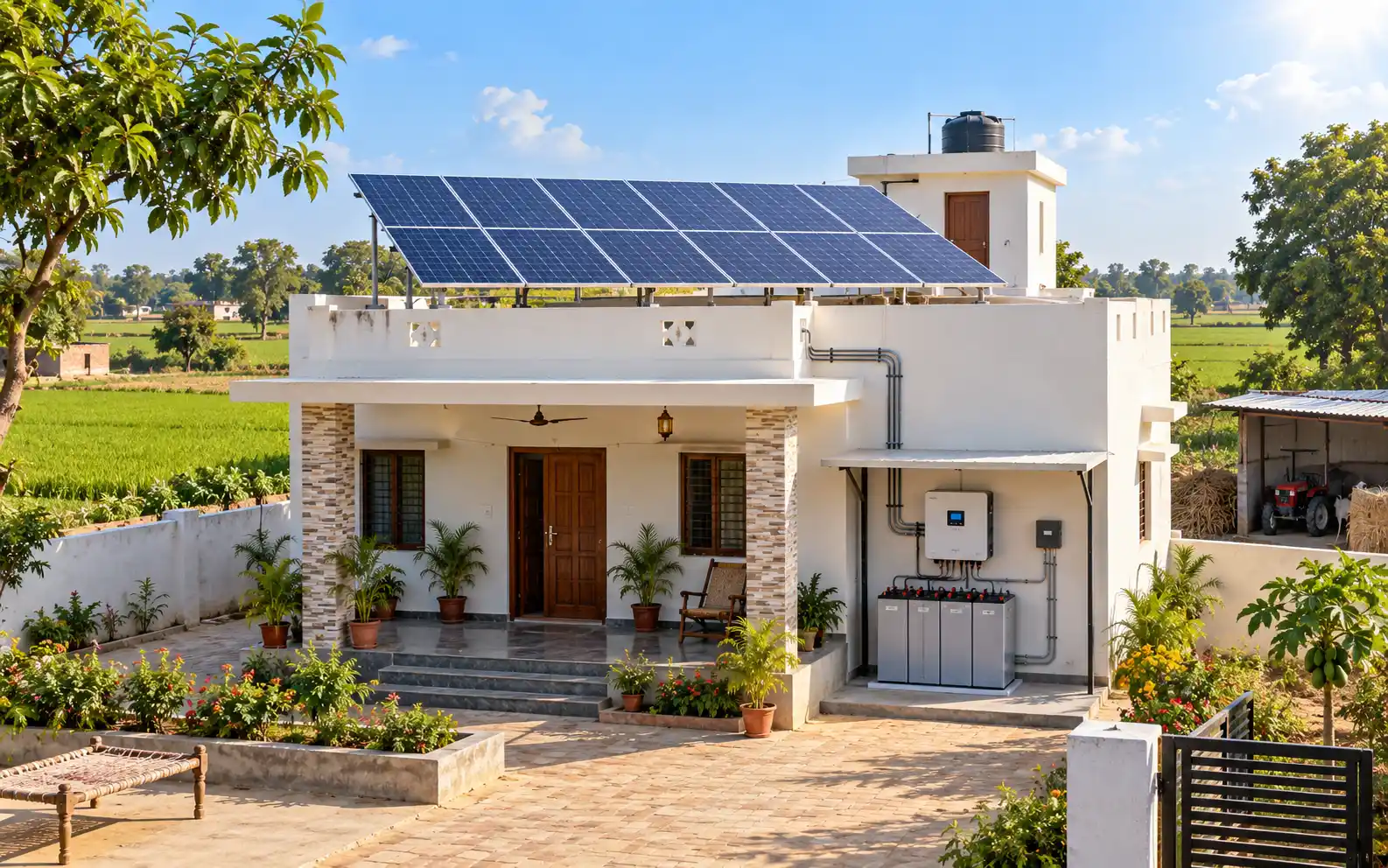
An On Grid system connects directly to the state electricity grid. You use solar power during the day, and whatever you do not consume is exported back to the grid through a net meter — the units are credited against your bill. Because there is no battery, it is the cheapest way to go solar and the only type eligible for the PM Surya Ghar subsidy.
Key Benefits
- Lowest upfront cost of the three system types — no battery to buy or replace.
- Eligible for PM Surya Ghar subsidy of up to ₹1,08,000 (central + UP state).
- Net metering credits every surplus unit you export back to the grid.
- Minimal maintenance — no battery servicing or water top-ups.
- Typical payback of 3–4 years, then effectively free electricity.
How It Works
Panels generate DC
Rooftop panels convert sunlight into DC electricity through the day.
Inverter converts to AC
A grid-tie inverter converts DC into the AC power your home appliances use.
Your home draws first
Everything you are running at that moment is powered by solar before any grid power is used.
Surplus exports to grid
Extra units flow out through the net meter and are credited on your electricity bill.
Ideal For
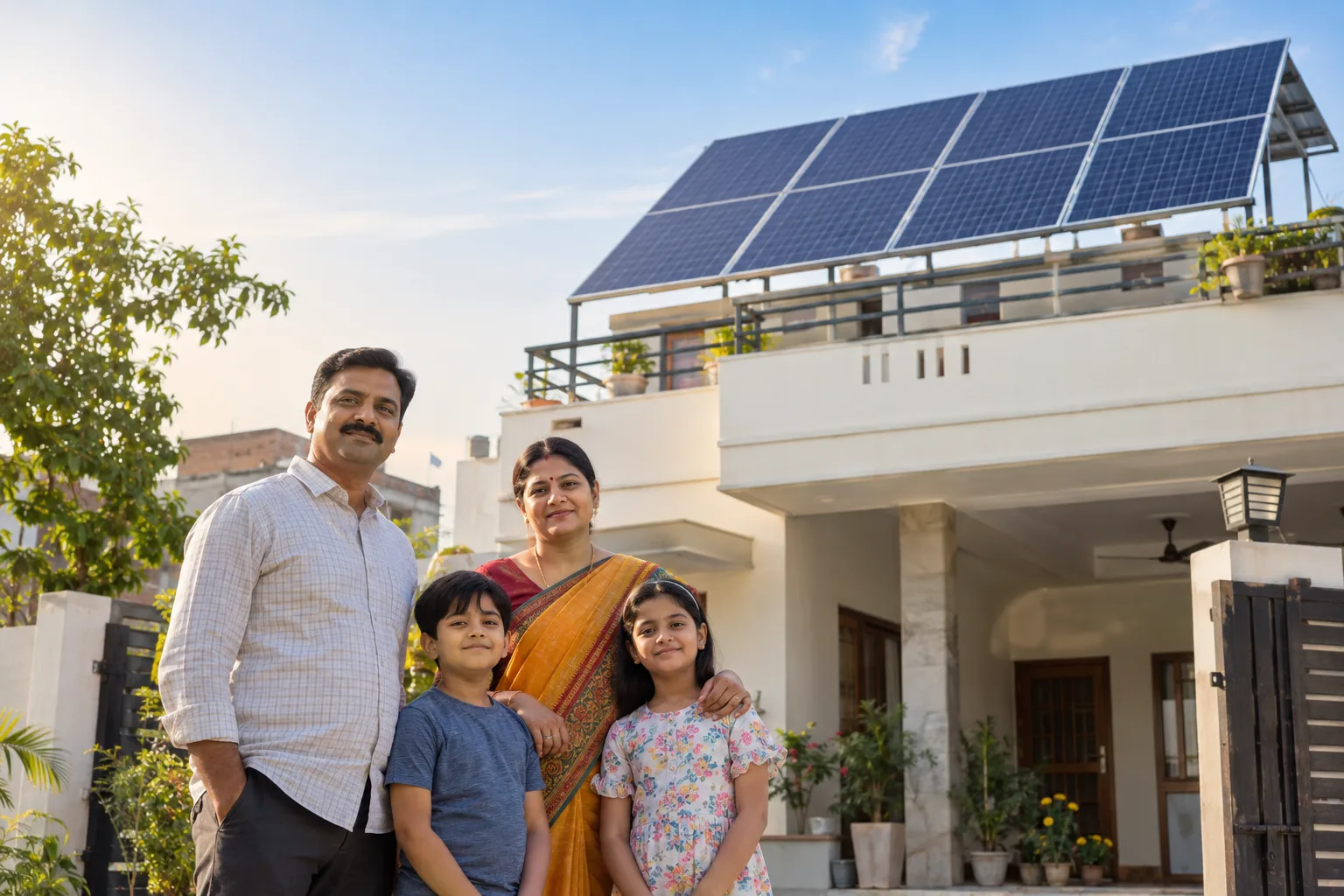
- Homes with a reliable grid supply
- Shops and offices with daytime load
- Commercial buildings
- Anyone claiming the government subsidy
Estimated Pricing
Indicative system cost by size. Your free site survey confirms exact pricing for your roof.
| System Size | Est. Cost | Suitable For |
|---|---|---|
| 1 kW | ₹60,000 – ₹69,000 | Home |
| 2 kW | ₹1,20,000 – ₹1,38,000 | Home |
| 3 kW | ₹1,80,000 – ₹2,07,000 | Large home / small shop |
| 5 kW | ₹3,00,000 – ₹3,45,000 | Large home / small shop |
| 10 kW | ₹6,00,000 – ₹6,90,000 | Commercial |
Frequently Asked Questions

Ready to Go On Grid Solar?
Get a free rooftop assessment and a written quote — no obligation, no pushy sales.